
Quantum Research Group


How do we encounter what lies beyond our perception—and what happens when we try to give it form?

Quantum Research Group is an artistic research initiative by Hrvoje Hiršl exploring how natural processes, technologies and systems of knowledge shape our experience of reality.


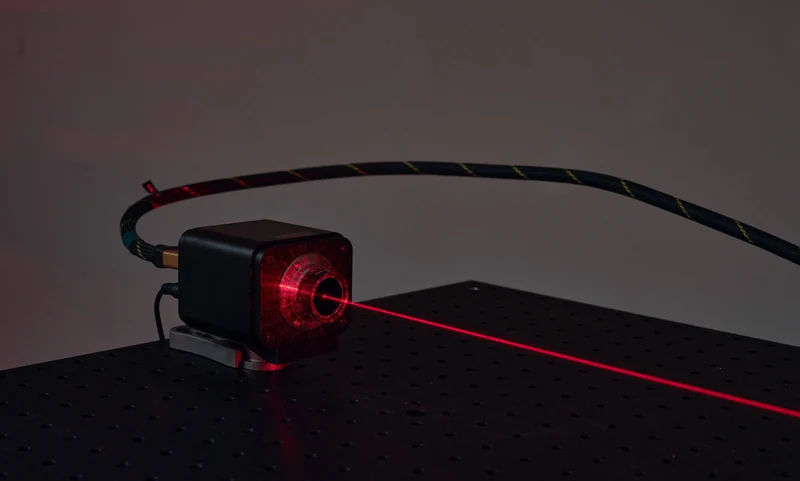
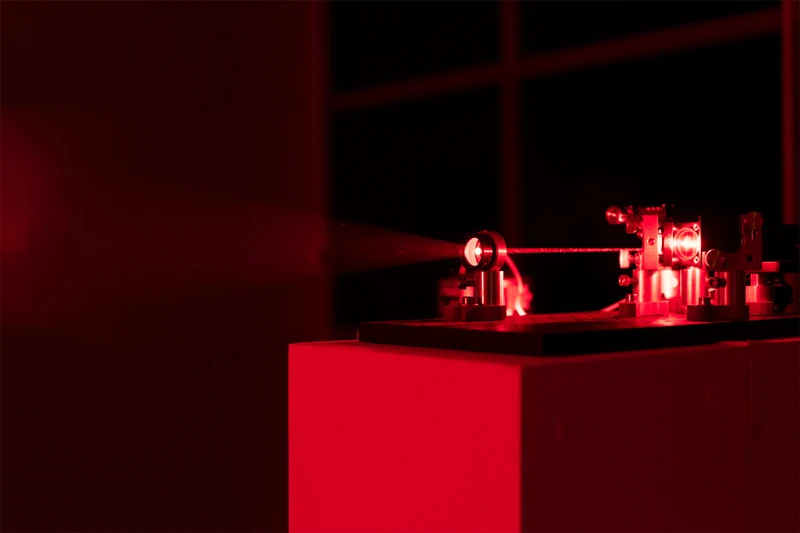
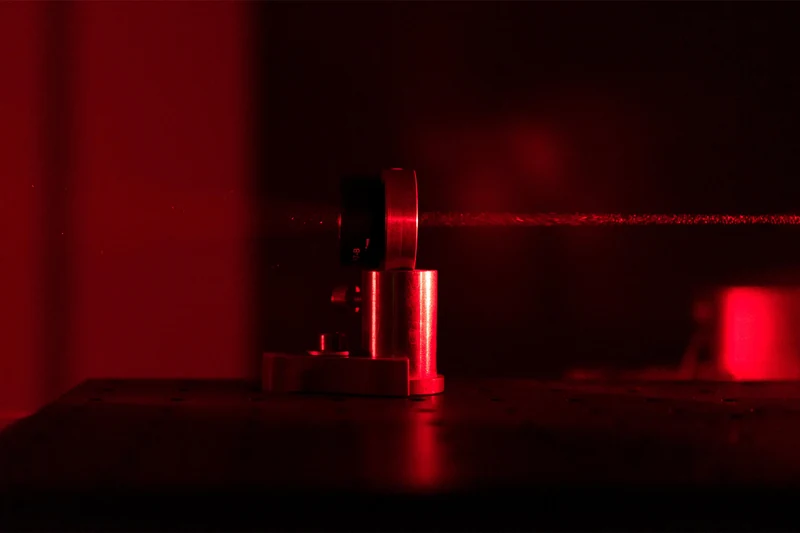
This image is from the Centre for Advanced Laser Techniques (CALT) at the Institute of Physics in Zagreb, Croatia.


The Politics of Numbers


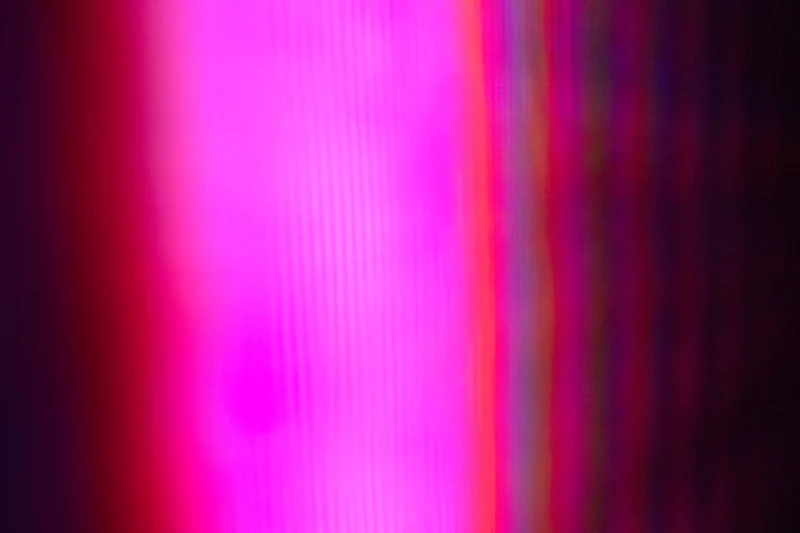
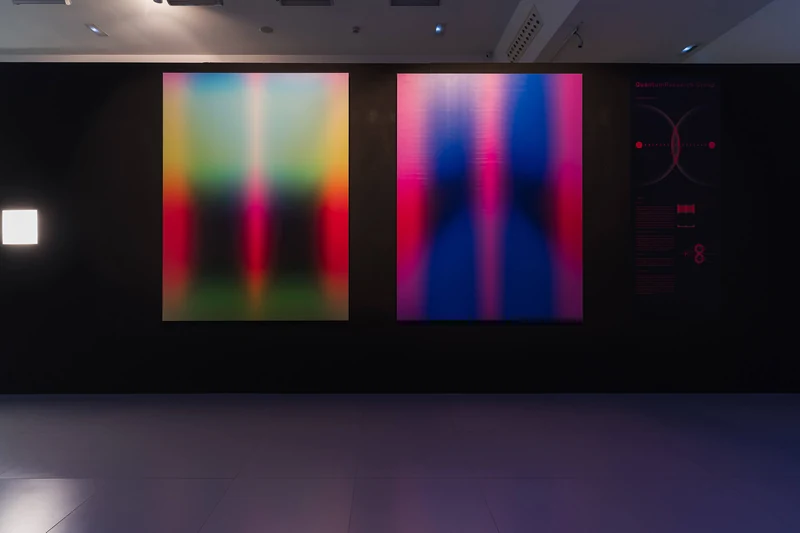
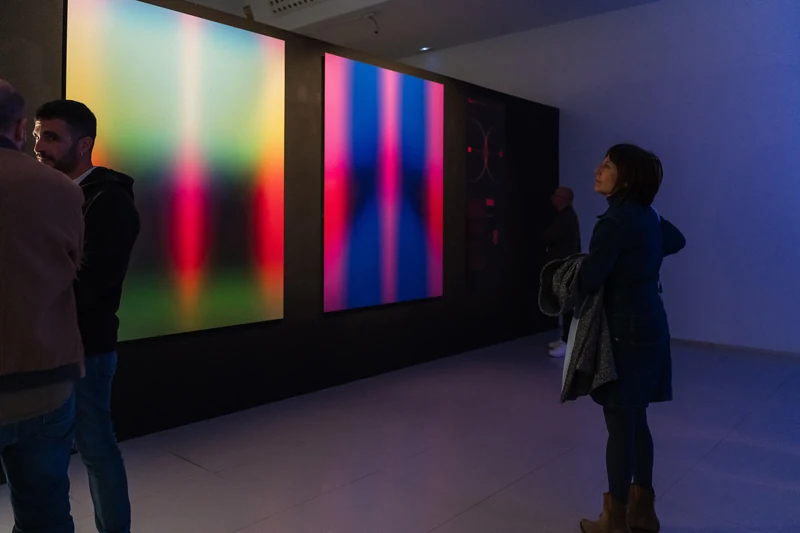
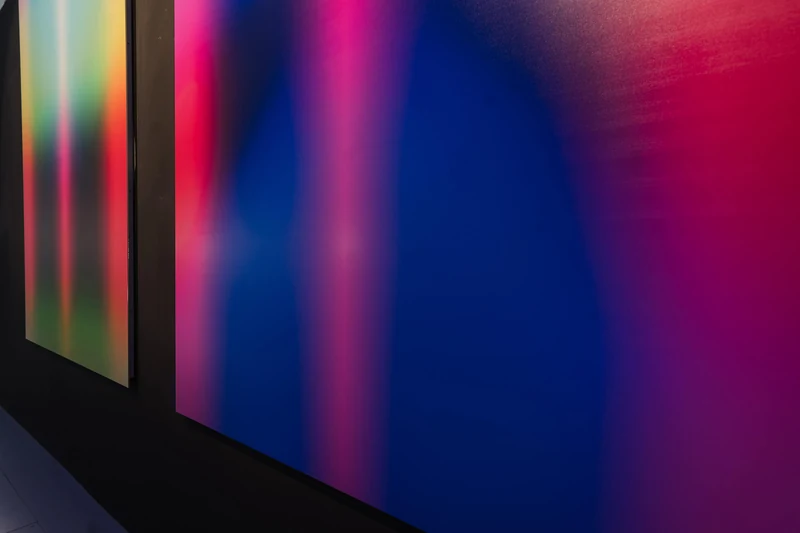
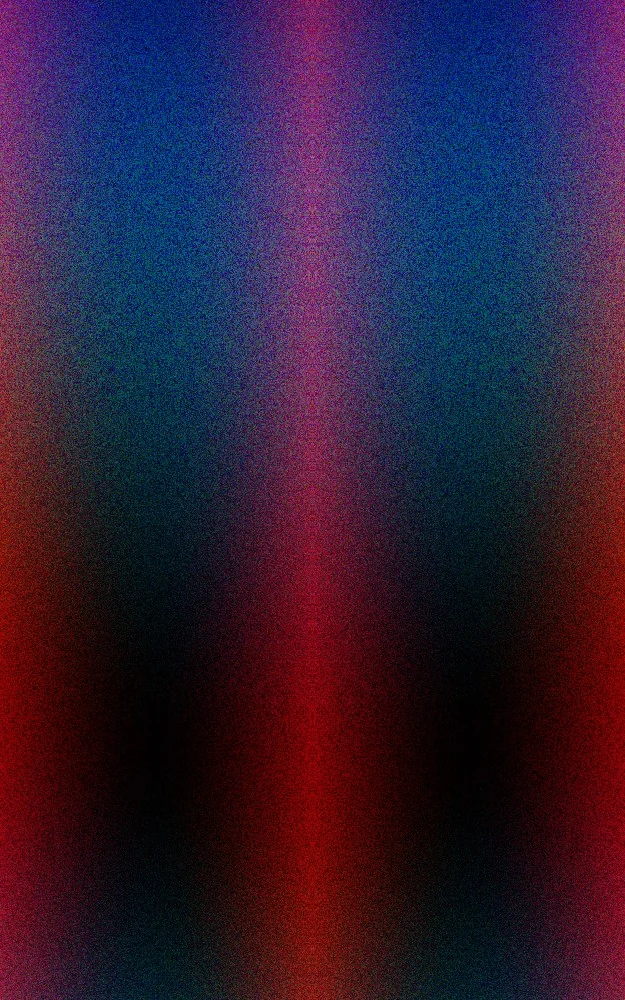
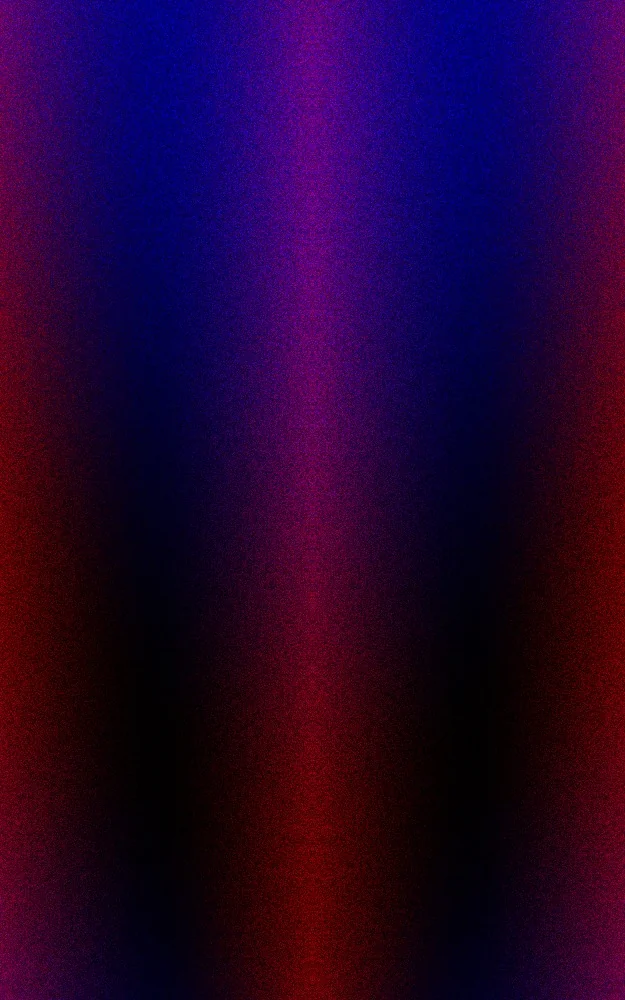
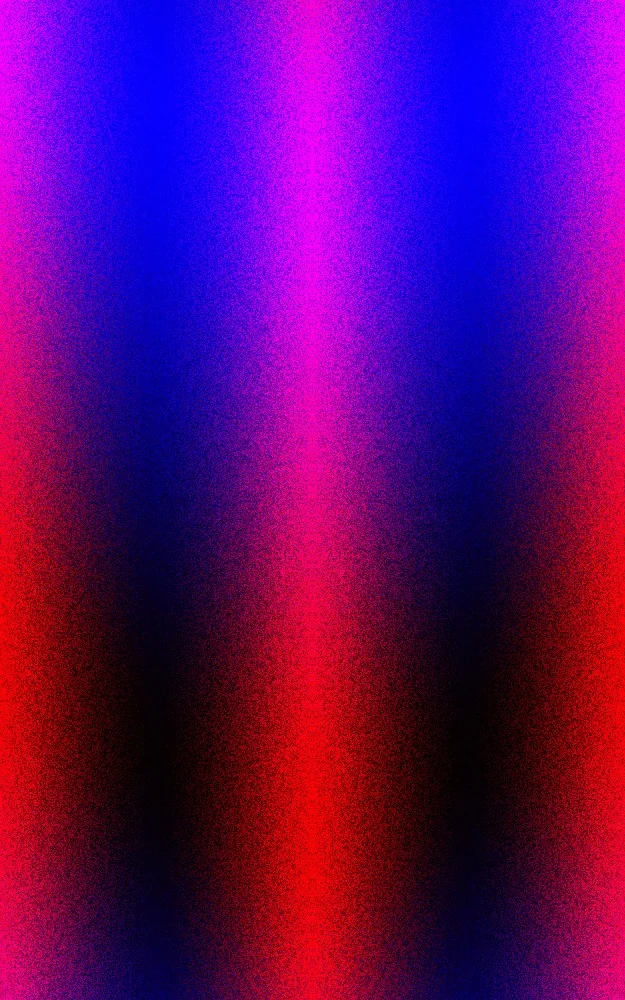
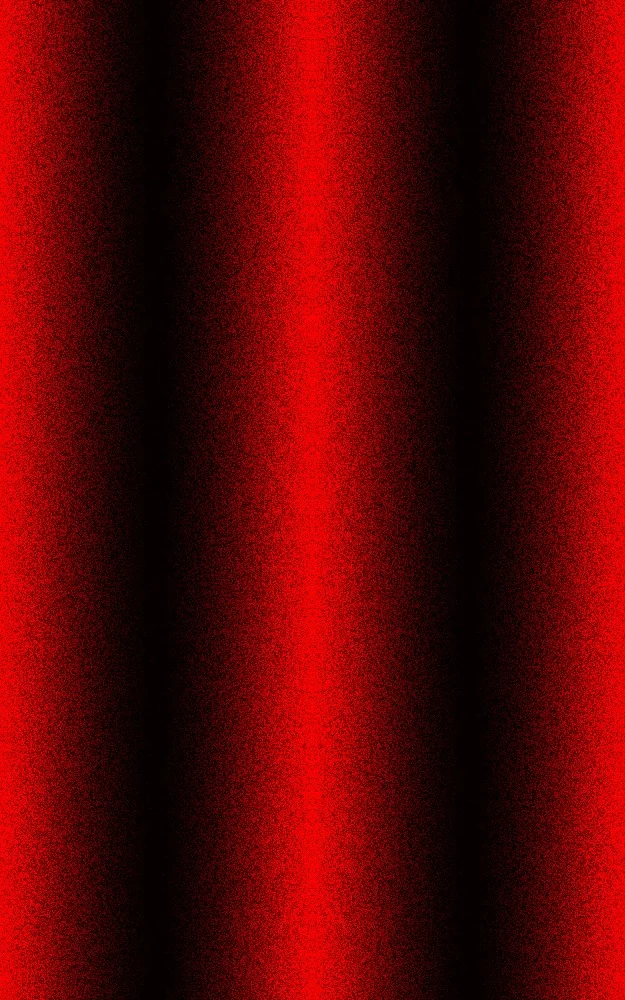
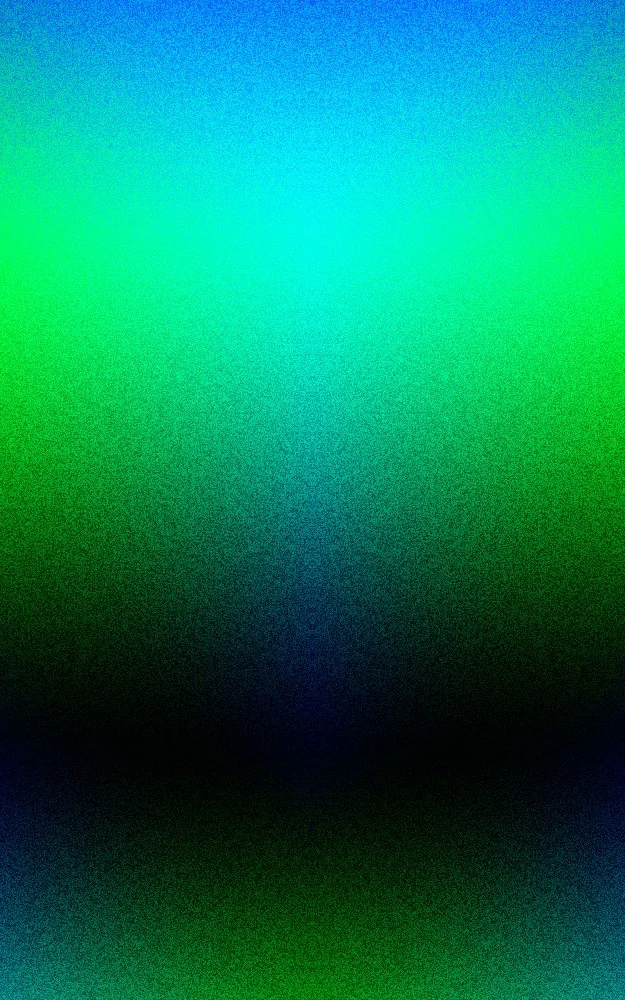
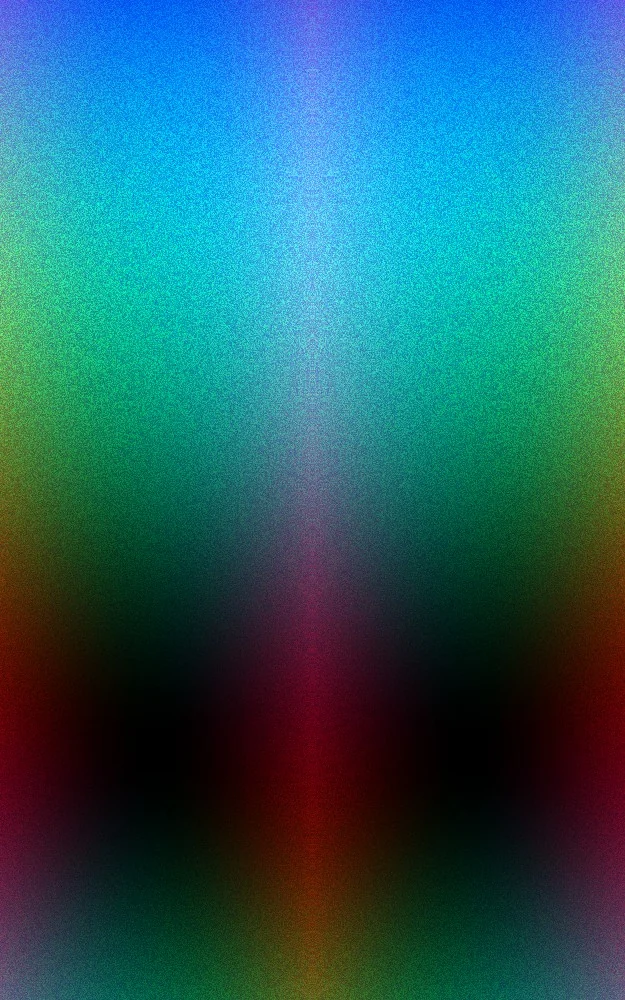
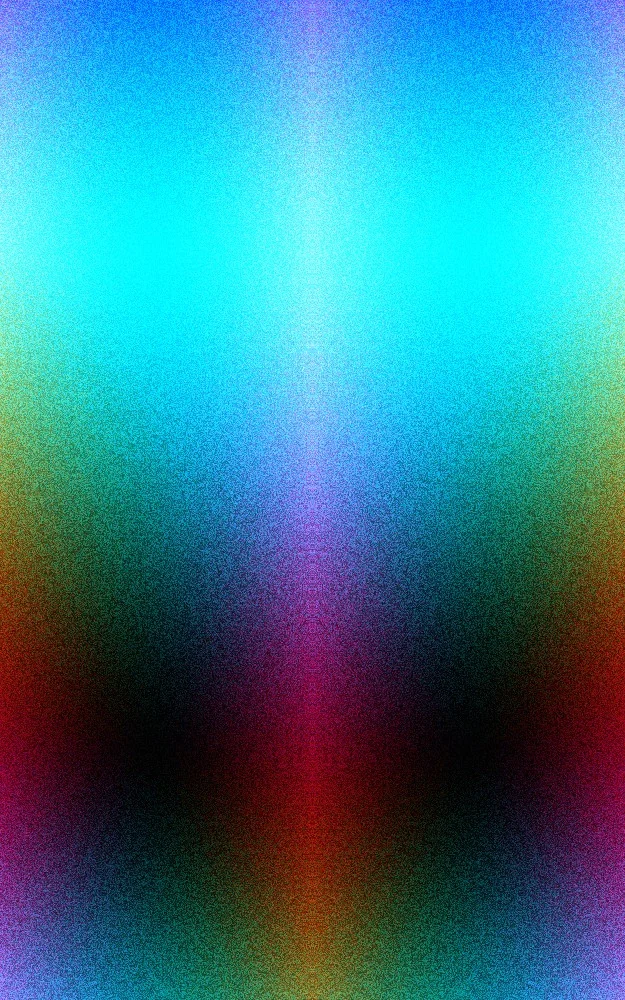
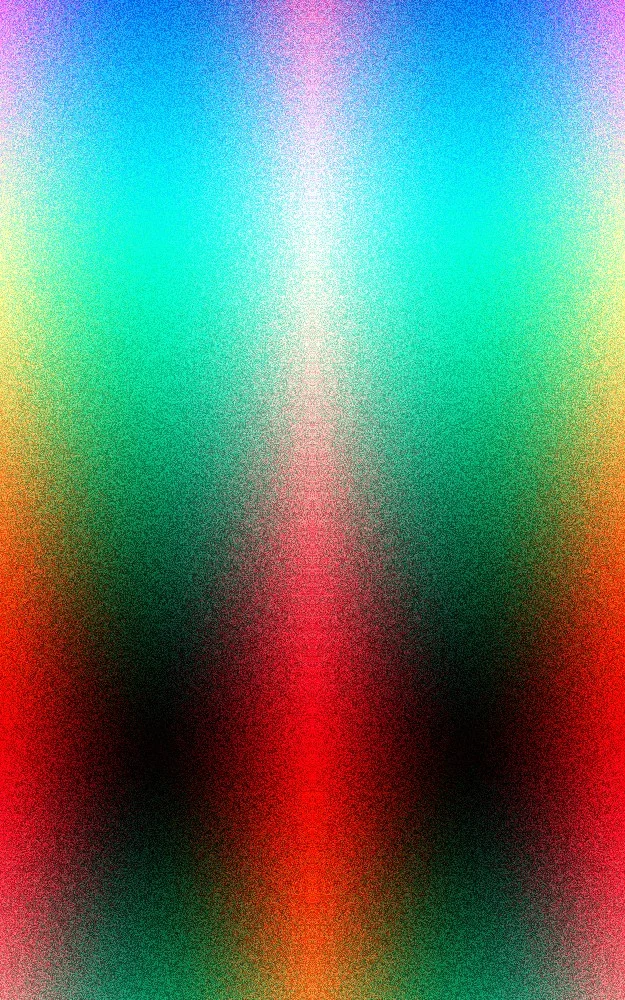
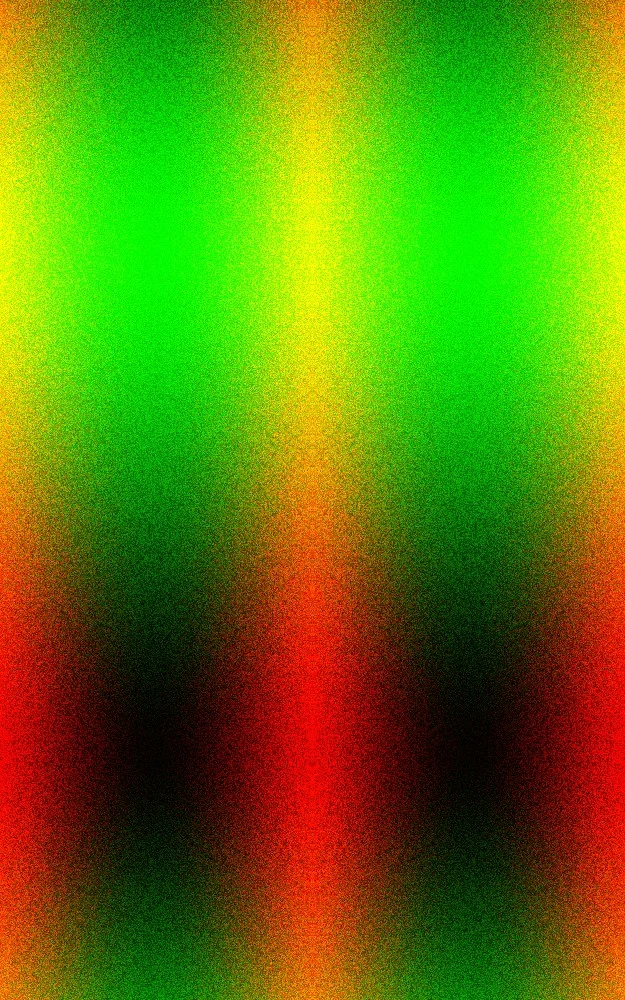
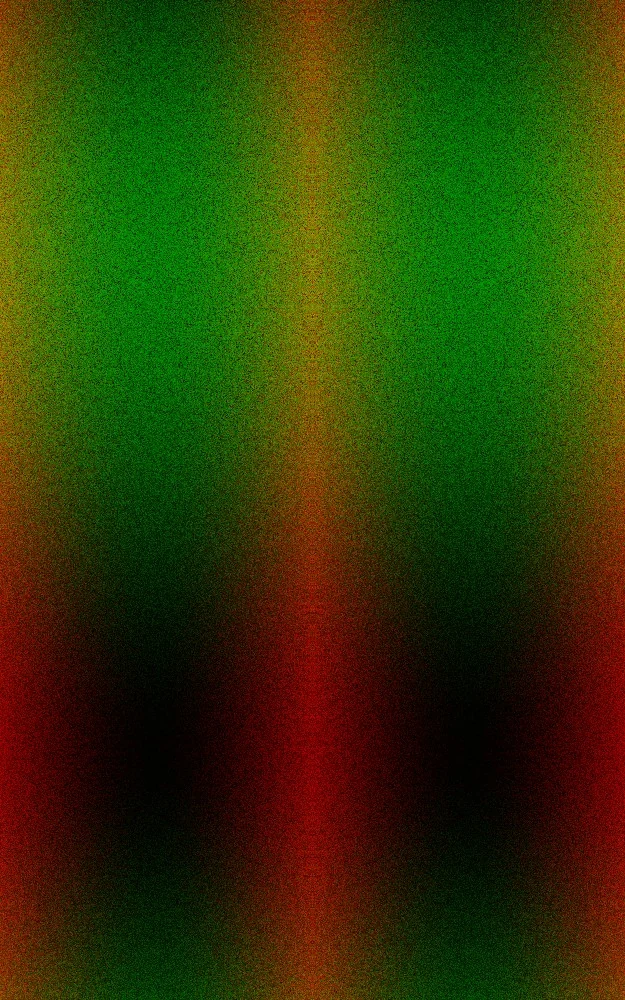
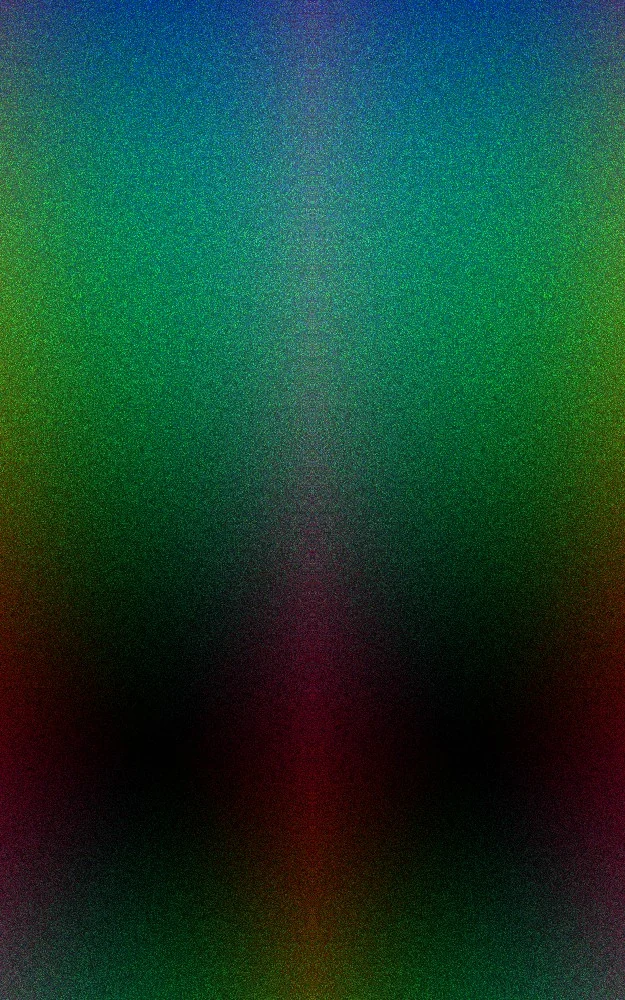
The Politics of Numbers is an ongoing series of quantum paintings exploring the relationship between abstraction and the geopolitical implications of quantum technologies. Quantum random numbers determine the position, colour and hue within each painting, linking its visual form to measurements of entangled photons. The paintings can be presented as an installation alongside the machine that generates these numbers in real time.

The work places this use of randomness in relation to its strategic role in cryptography and security, and to the wider competition for control over quantum technologies. It draws a connection between the political instrumentalisation of Abstract Expressionism during the Cold War and the contemporary technological race in which randomness becomes a resource of power.

Within this relationship, the painting, the apparatus and the process of generating numbers form different points of entry into the same inquiry: how does abstraction participate in the structures that shape our reality?

Light —
Light has always been fundamental to our existence, providing heat and energy and shaping how we understand the world. Our perception of it has moved from reverence and mysticism toward a physical understanding of the processes that made life possible. Today, light is central to emerging technologies, from optical cables that transmit data to quantum-optics experiments used to develop new materials and light-based quantum computers.

How the paintings are created
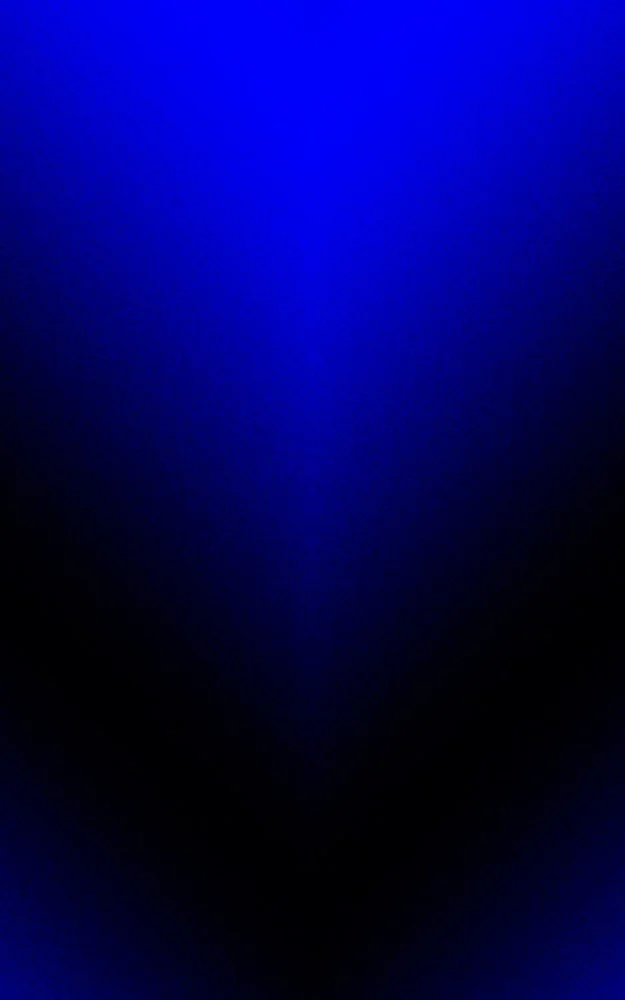
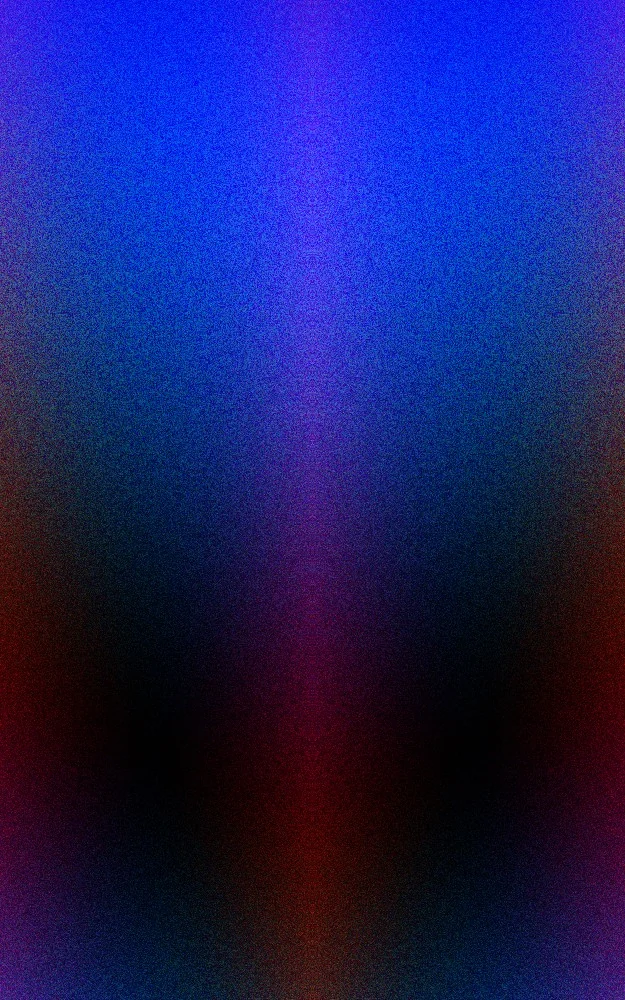
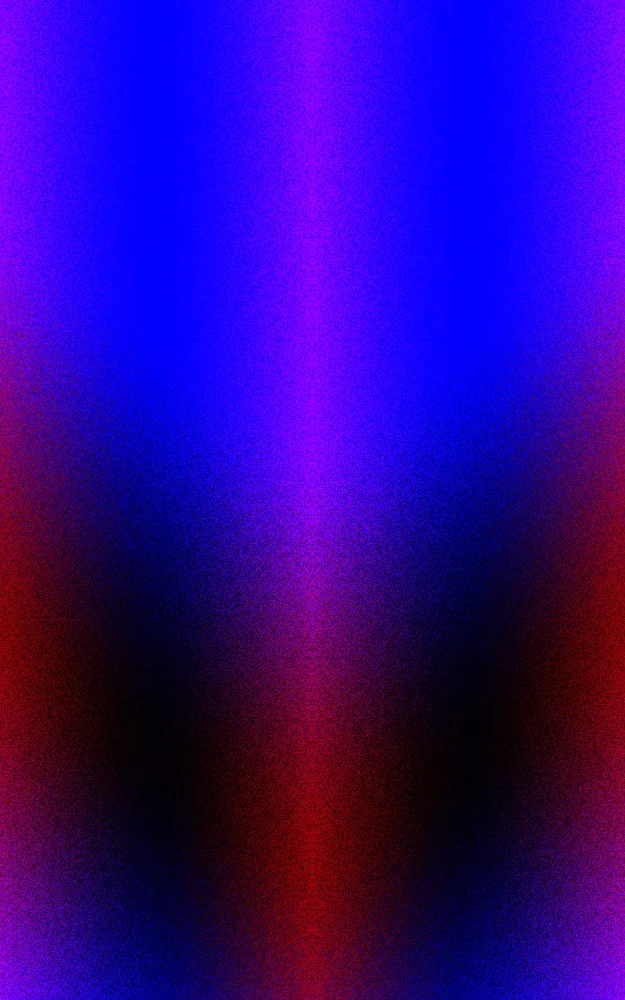
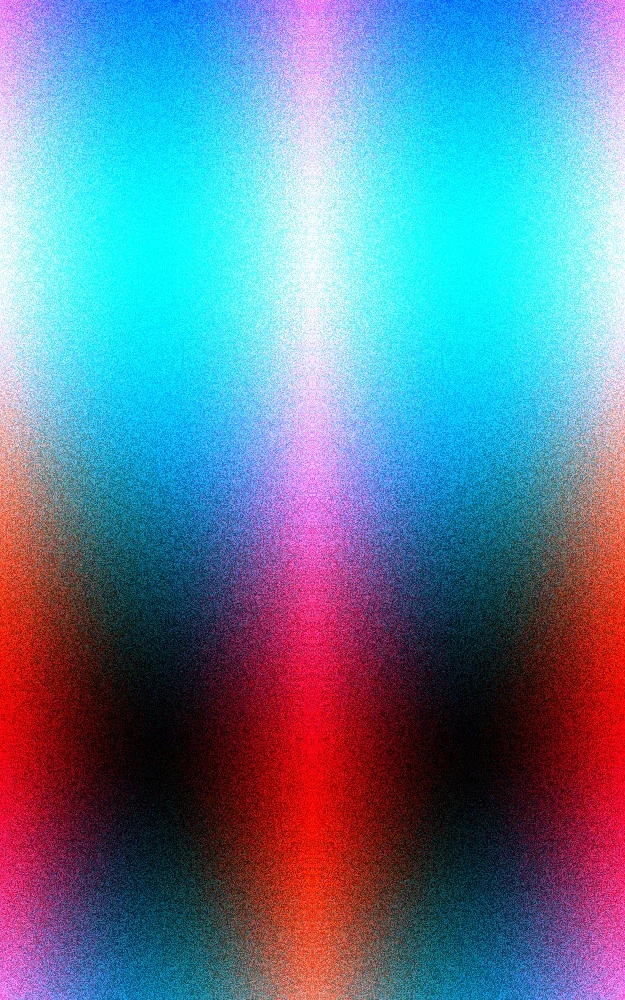
Through an elaborate arrangement of lenses, mirrors and crystals, the physical device creates pairs of entangled photons that generate true random numbers. These numbers determine the position, colour and hue within the gradient, producing a unique representation of the quantum process.
PoN 497722085467103875683The Politics of Numbers — quantum painting 17


︎︎︎
The title of each painting consists of the prefix PoN followed by a unique sequence of numbers generated by a quantum-entanglement device.


︎︎︎
The digits determine the position, colour and hue within the colour gradient according to the wave function.


Year
2023–ongoing
Type of work
Quantum paintings; installation with a live quantum random number generator
Dimensions
Variable

Dimensions of the Line
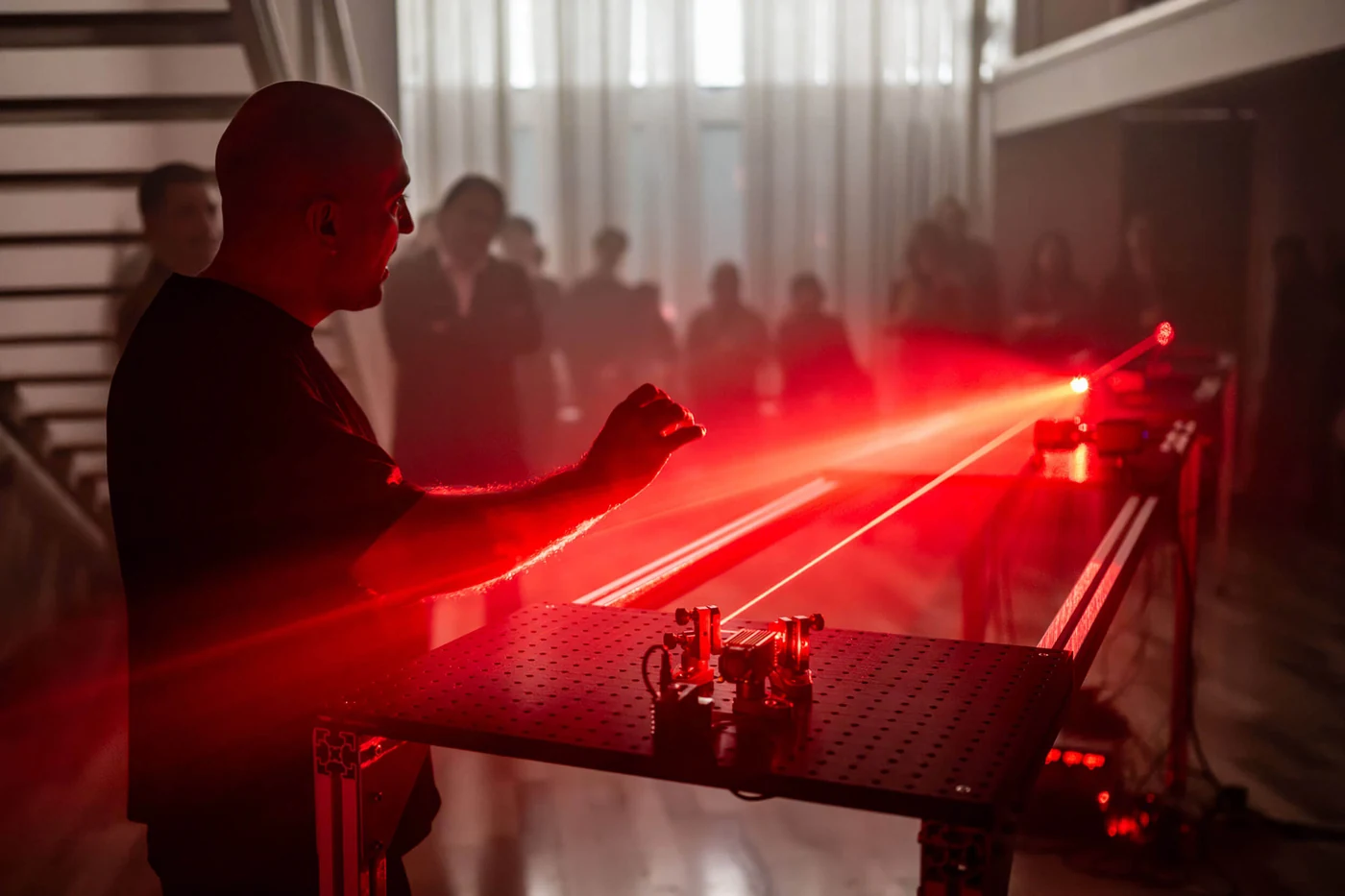
Dimensions of the Line — Hrvoje Hiršl interacting with the red laser installation at Galerija Forum
Photograph 1: Vedran Metelko
Photographs 2–7: Damir Žižić

Dimensions of the Line is a light installation developed in collaboration with composer Yongbom Lee, who composed a score specifically for the installation. The composition consists exclusively of the human voice, singing verses by the Roman poet and philosopher Lucretius (c. 99 BC–c. 55 BC) from his seminal work On the Nature of Things, one of the earliest texts to address light, particles and matter.
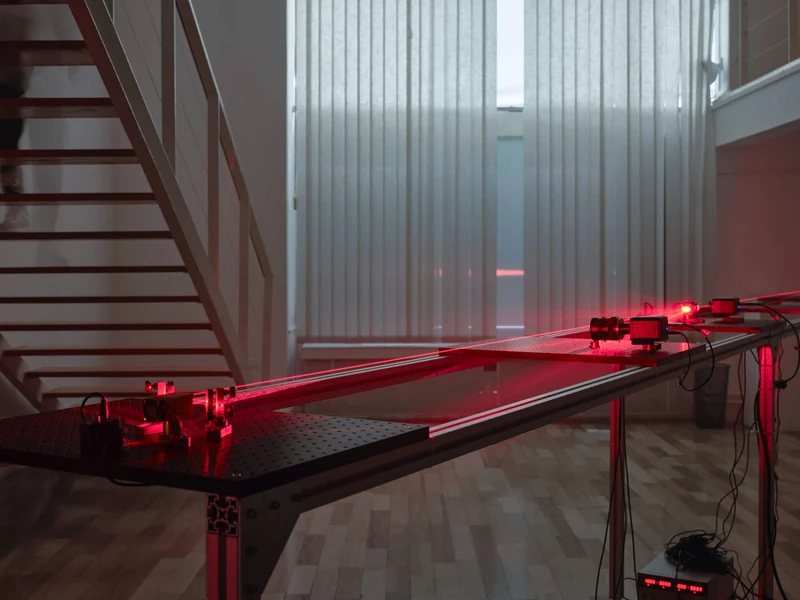
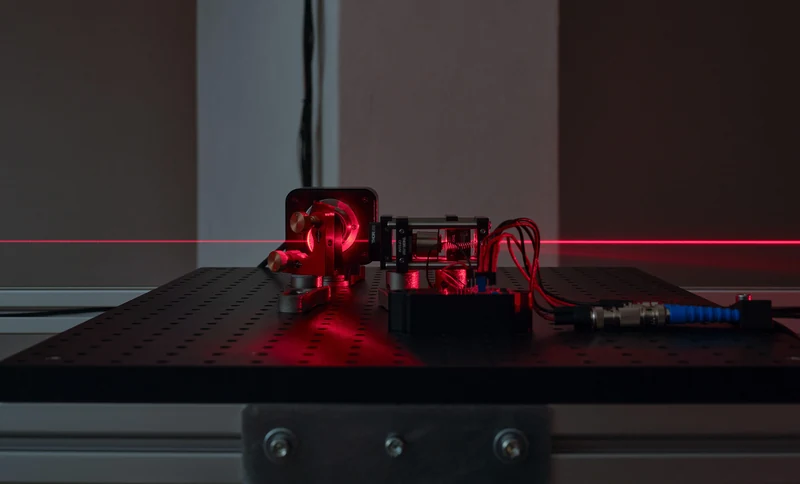
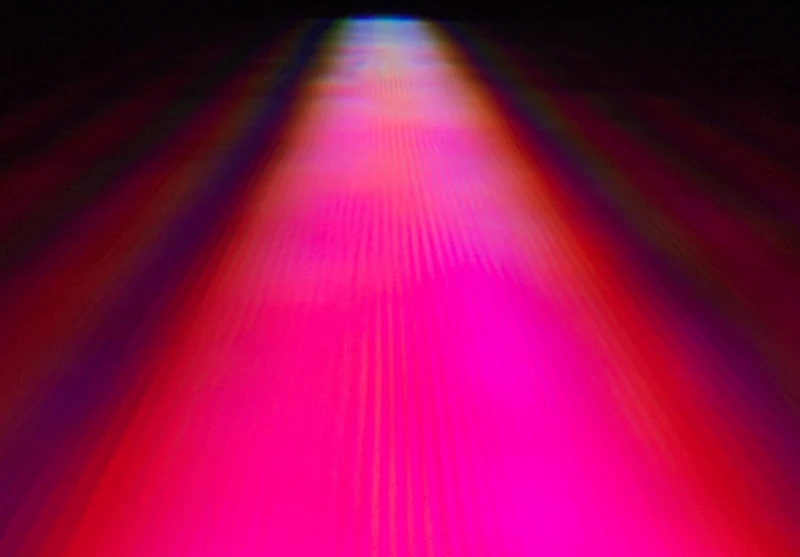
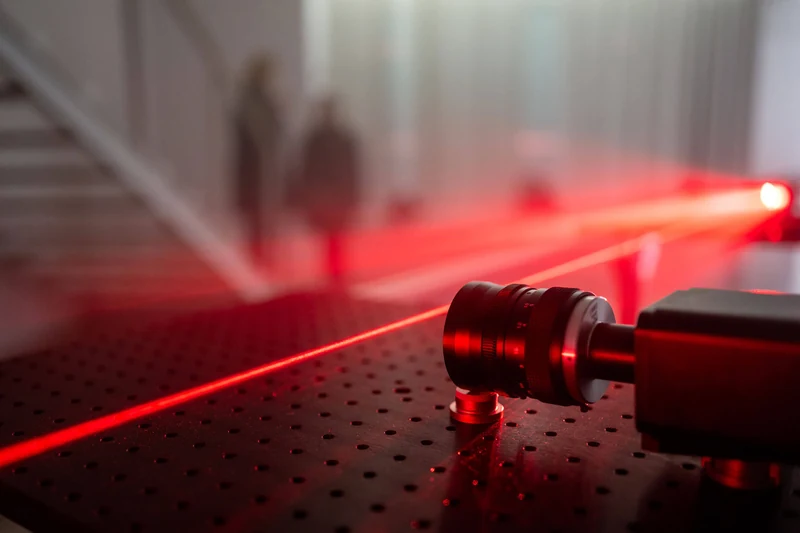
At the centre of the installation, a single beam of light cuts diagonally across the gallery. Positioned on the optical table is a custom-built device, developed in collaboration with the Institute of Physics in Zagreb, that transfers sound oscillations directly to the beam. As the human voice modulates the light, the beam begins to tremble, disrupting the illusion of a flawless, constant line. Visitors are invited to enter this transformed space, where the line acquires volume and unfolds into a three-dimensional presence.

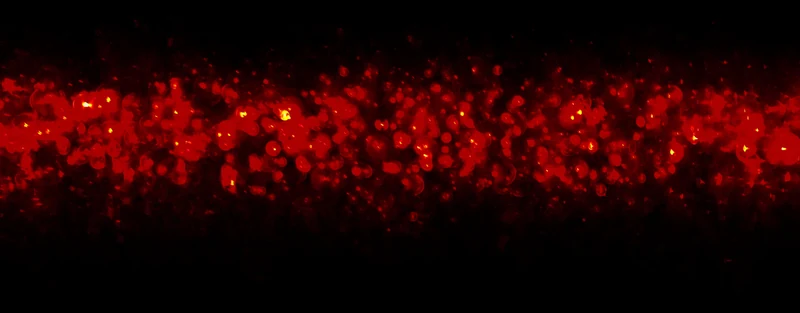
Three microscopic cameras capture the beam in real time from different angles and project it on a large scale. Two projections reveal the beam’s oscillations under the influence of the human voice, while the third captures the movement of dust particles stirred by subtle air currents caused by opening doors, passing visitors and the gallery’s hazer.

Produced with the support of the Ministry of Culture and Media of the Republic of Croatia and Music Biennale Zagreb. The installation was presented as part of the programme of the 33rd Music Biennale Zagreb.

Special thanks to the Centre for Advanced Laser Techniques (CALT) at the Institute of Physics in Zagreb for its scientific and technical support.

Year
2025
Type of work
Laser, sound and video installation
Materials
Laser, sound, video projection, optical elements, custom-built table and electronic components
Dimensions
Variable
Collaborators
Neven Šantić, PhD, Institute of Physics, Zagreb
Yongbom Lee, composer


Exceptional Point

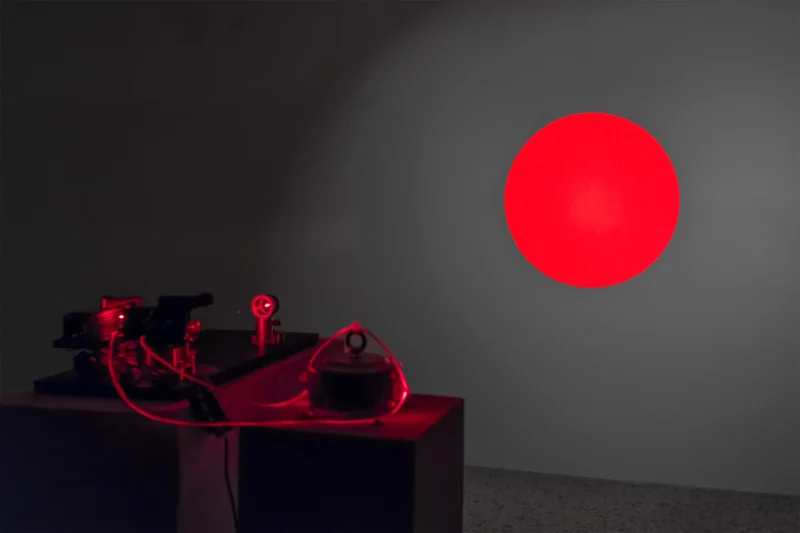
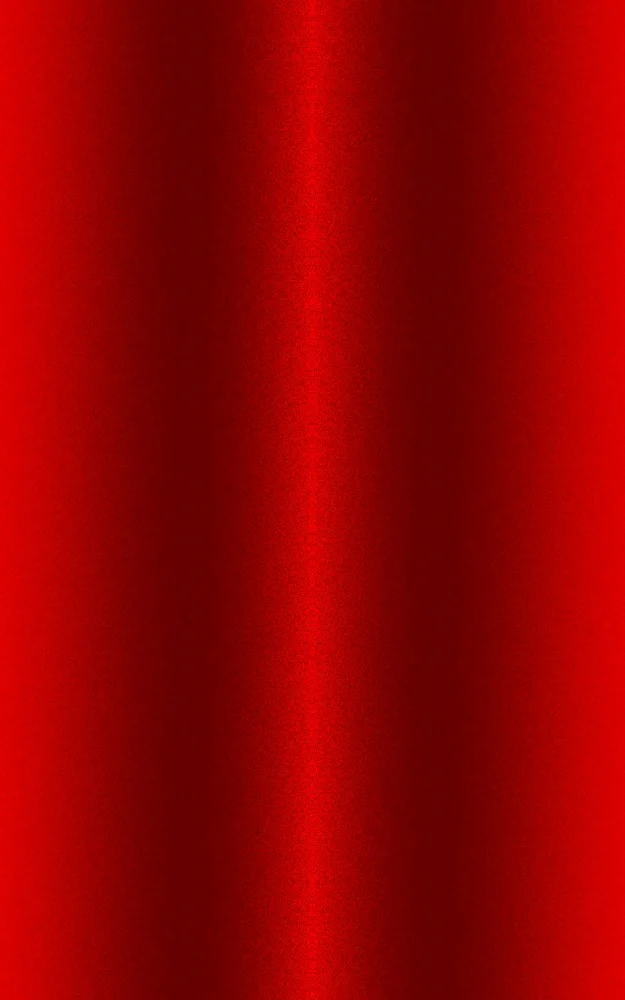
Exceptional Point is a light installation in which a projection of red laser light appears material, like an object on the wall or an intense pigment applied to its surface. It seems suspended between the static and the dynamic: you are never entirely sure whether it is moving or whether it only appears to move.

The title borrows a term from physics to reflect on a moment when a system begins to manifest properties that were not there before. A transition from a familiar state into an unfamiliar one, a crossing into a new, sensitive balance between states and characteristics—something that did not exist, but subsequently appeared.

Questions of appearance and the characteristics of a system are increasingly part of our everyday reality: constant fluctuations without a stable form, sudden changes without a fixed state. When formal properties are lost and replaced on demand, what remains characteristic? What is real, and what only appears to be? Does anything retain an authentic self? What is authentic when what we see is no longer what it is?

Year
2022
Type of work
Light installation
Materials
Red laser, quantum-optical components, optical fibre, breadboard, aluminium plate, transducer, amplifier and signal generator
Dimensions
Variable
Collaborators
Neven Šantić, PhD, Institute of Physics, Zagreb


The Collapse

The Collapse light installation by Hrvoje Hiršl, installation view
The Collapse light installation by Hrvoje Hiršl, detail of the projected light

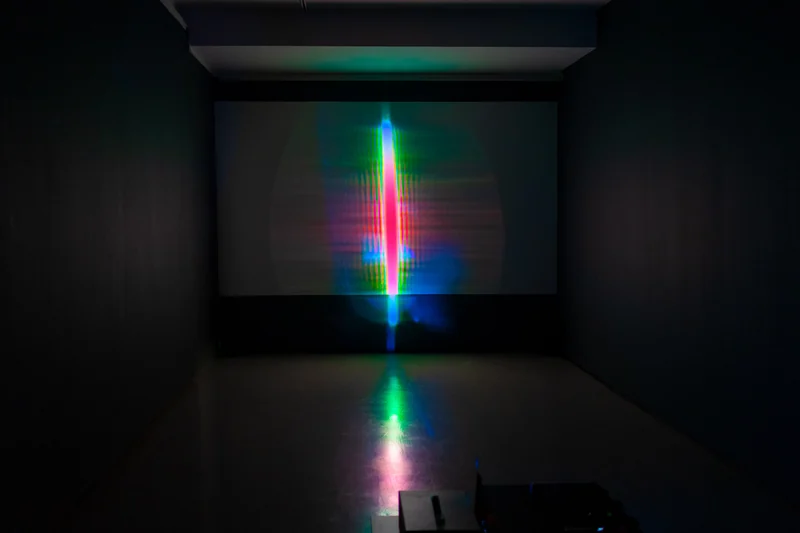
The Collapse transforms one of the best-known experiments in quantum physics—the double-slit experiment—into an immersive light installation. Developed in collaboration with physicist Neven Šantić, the project began in 2019 during a residency at the Max Planck Institute for Quantum Optics in Garching.

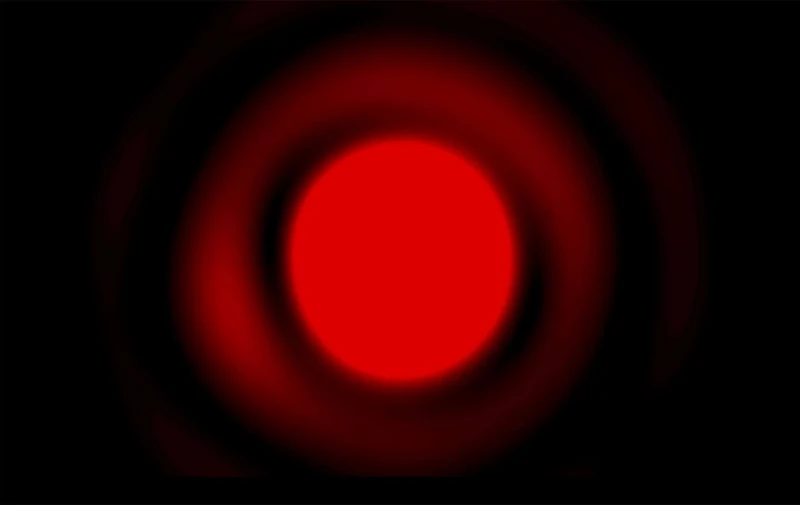
The experimental setup is expanded to produce an interference pattern on an architectural scale, bringing a phenomenon usually observed within a laboratory apparatus into the space inhabited by the viewer. Light becomes an environment, while a photocell converts variations in light intensity into sound.

The double-slit experiment challenges familiar ideas about the behaviour of light and the relationship between measurement and physical reality. By transforming it into an immersive experience, The Collapse brings these questions into the scale of the human body. How can we experience something that exceeds our senses? What happens when a scientific experiment becomes a space we can enter?

Year
2019–2021
Type of work
Light and sound installation
Materials
Custom-built device comprising RGB lasers, quantum-optical components, optical fibres, breadboard, double slit and a photocell for converting light into sound
Dimensions
Variable
Collaborators
Neven Šantić, PhD, Institute of Physics, Zagreb


This image is from the Centre for Advanced Laser Techniques (CALT) at the Institute of Physics in Zagreb, Croatia.

About QRG

Quantum Research Group (QRG) is an artistic research initiative founded by Hrvoje Hiršl. It explores how natural processes, technologies and systems of knowledge shape perception and our understanding of reality.

QRG follows a transdisciplinary approach in which each research question shapes the choice—and, where necessary, the development—of tools, methods and media. Scientific ideas, physical phenomena, and philosophical and historical references become material for artistic inquiry. Through experimentation and collaboration, the research takes shape in works that explore the limits of representation, the relationship between process and form, and the possibilities of creating experiences beyond familiar sensory and conceptual boundaries.

The initiative also provides a means of entering the scientific, technological and economic structures that actively shape contemporary life. Working within these environments opens questions about how knowledge is produced, how technologies acquire political power, and what possibilities exist for artistic agency within these processes. Both the research and the works remain open to unexpected outcomes and new interpretations.

Hrvoje Hiršl


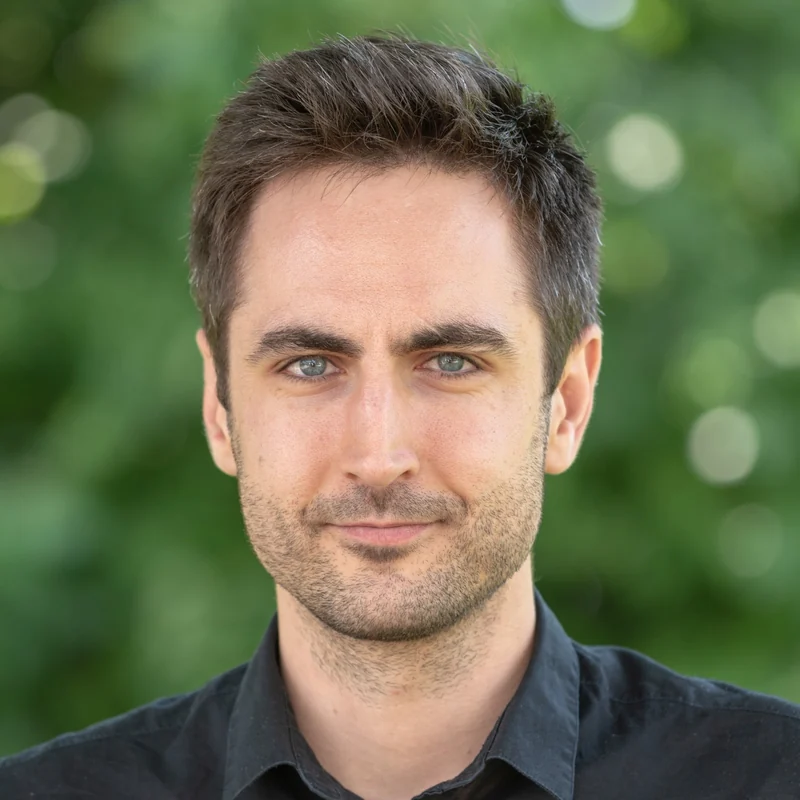
Artist Hrvoje Hiršl beside an optical laboratory setup

Hrvoje Hiršl (Dubrovnik, Croatia, 1982) is a transdisciplinary artist working at the intersection of art, science and technology. In his work, he explores how natural and technological systems shape perception, materiality and the construction of reality. He develops process-oriented artistic structures that can be initiated and guided, yet evade complete control, opening a space between determinacy and uncertainty.

His practice encompasses drawing and painting, sound and light installations, performance and immersive robotic systems. Through engagement with phenomena such as resonance, entropy, feedback and quantum processes, he examines the relationships between the visible and the invisible, the measurable and the indeterminate.

He has participated in numerous international residency and research programmes and has collaborated with scientific institutions, including the Max Planck Institute for Quantum Optics in Garching and Delft University of Technology. He was an invited participant in the AND AND AND programme at dOCUMENTA (13) in Kassel and represented Croatia at the London Design Biennale in 2016.

Education

MediaArtHistories
Donau-Universität Krems, Austria

Design of Visual Communication
Art Academy, University of Split, Croatia

The Team


Institute of Physics

Quantum Technologies Group at the Institute of Physics in Zagreb — website

ifs.hr/en

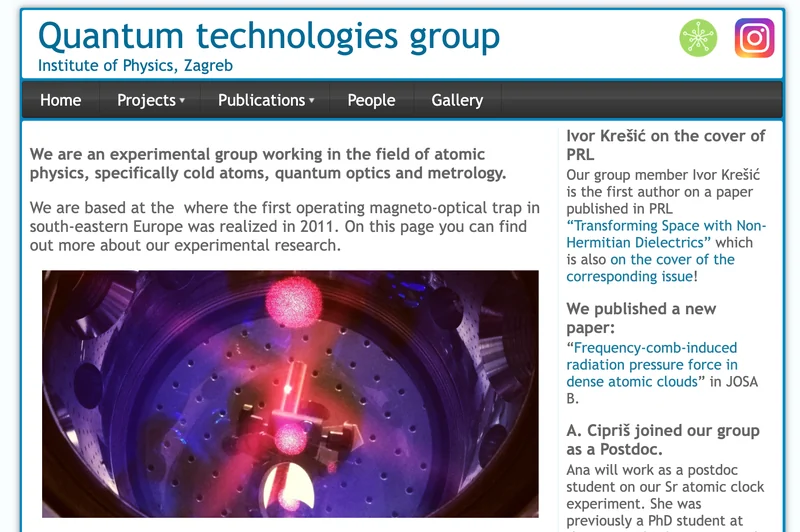
The Quantum Technology Group is part of the Centre for Advanced Laser Techniques (CALT) at the Institute of Physics in Zagreb, Croatia. The experimental group conducts research into quantum simulators based on ultracold atoms, quantum metrology and sensors, and quantum communications. Its work also supports the National Laboratory for Time and Frequency, which provides Croatia’s official time and measurement traceability to the SI units for time and frequency.
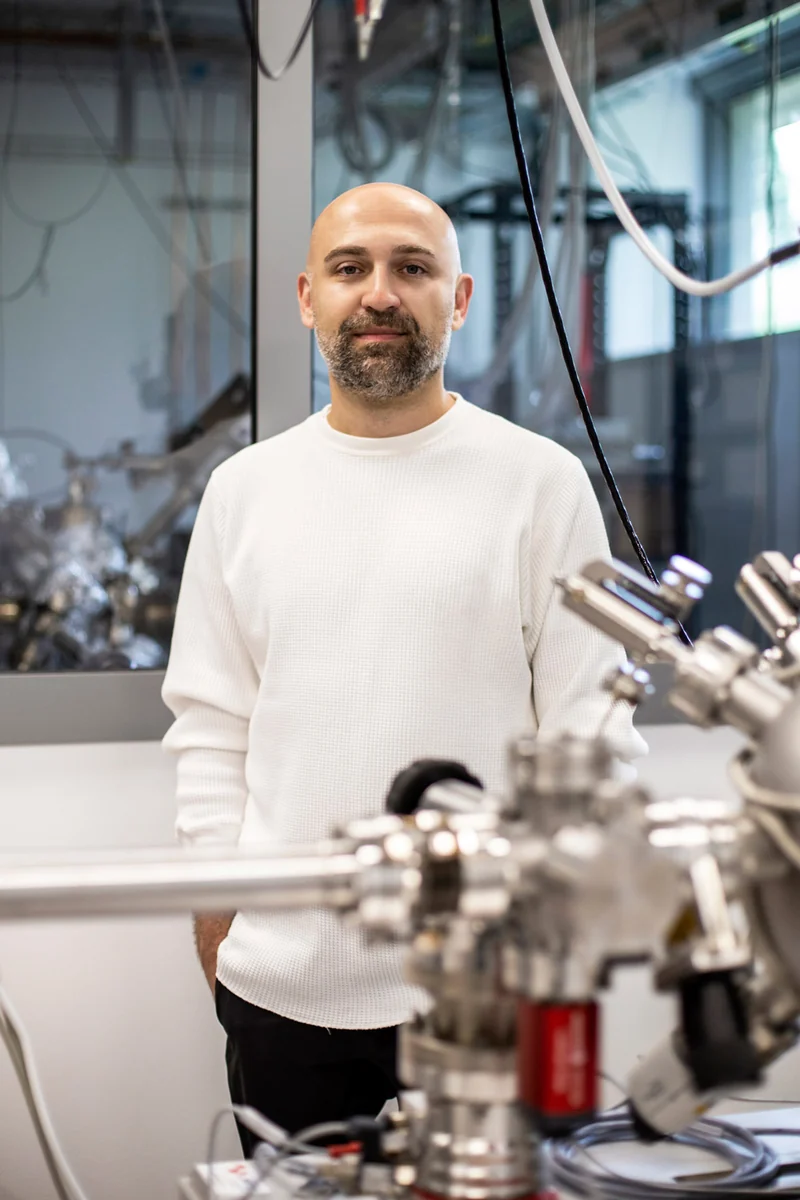
Neven Šantić, PhD 

Portrait of physicist Neven Šantić
cold.ifs.hr/nsantic


Neven Šantić is a research associate at the Institute of Physics, where he works with ultracold strontium and rubidium. Following his postdoctoral research with the Bloch group at the Max Planck Institute of Quantum Optics, he began developing a strontium optical clock with the cold-atom team in Zagreb.

He received a Marie Skłodowska-Curie Individual Fellowship and is active in international research exchange and networking. He is one of the principal investigators in the QuantERA project “NImSoQ: New Imaging and Control Solutions for Quantum Processors and Metrology”.

Partners


Highlight Delft international art and technology festival — current website
Highlight Delft

highlightdelft.nl

Highlight Delft is an international art and technology festival in Delft, the Netherlands. Through exhibitions, performances and encounters across the city, it brings together artists, researchers, designers and technologists.

The festival presents experimental work at the intersection of art and emerging technology, inviting audiences to consider how technological change shapes culture, society and possible futures.

Contact

For exhibitions, research collaborations and talks, please get in touch.

[email protected]